🔌 Calculate your real EV charging cost
Compare home off-peak, standard tariff and public rapid charging — and see how much you could save vs petrol. Try the calculator →
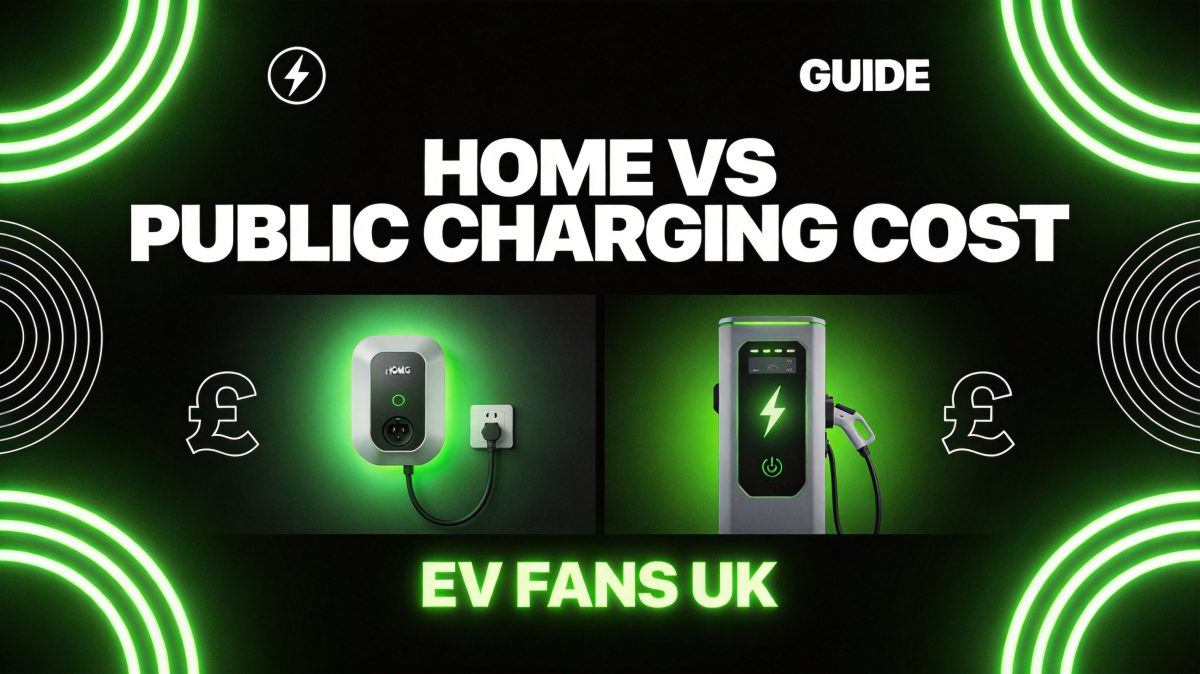
Charging at home is the single biggest convenience of electric car ownership. With a home charger, you start every day with a full battery — and you can cut fuel costs by up to 70% compared with petrol.
First, check whether you have off-street parking. A driveway or garage is essential for a dedicated wallbox. If you only have on-street parking, you will rely on public charging, though some councils are installing lamp-post chargers.
Choose a 7kW smart charger, which adds roughly 30 miles per hour of charging. Smart chargers can take advantage of off-peak electricity tariffs, charging your car when energy is cheapest — often overnight for as little as 7p per kWh.
The UK government's Electric Vehicle Chargepoint Grant provides up to £350 towards a home charger for eligible homeowners in flats and rental properties. Installation typically costs £800-£1,200, so the grant makes a real difference.
Finally, consider your energy tariff. Many suppliers now offer EV-specific tariffs with very low overnight rates. Combined with a smart charger and solar panels, running an EV can become remarkably inexpensive.